Is Amazon Grocery Cheaper? A Detailed Price Comparison Analysis
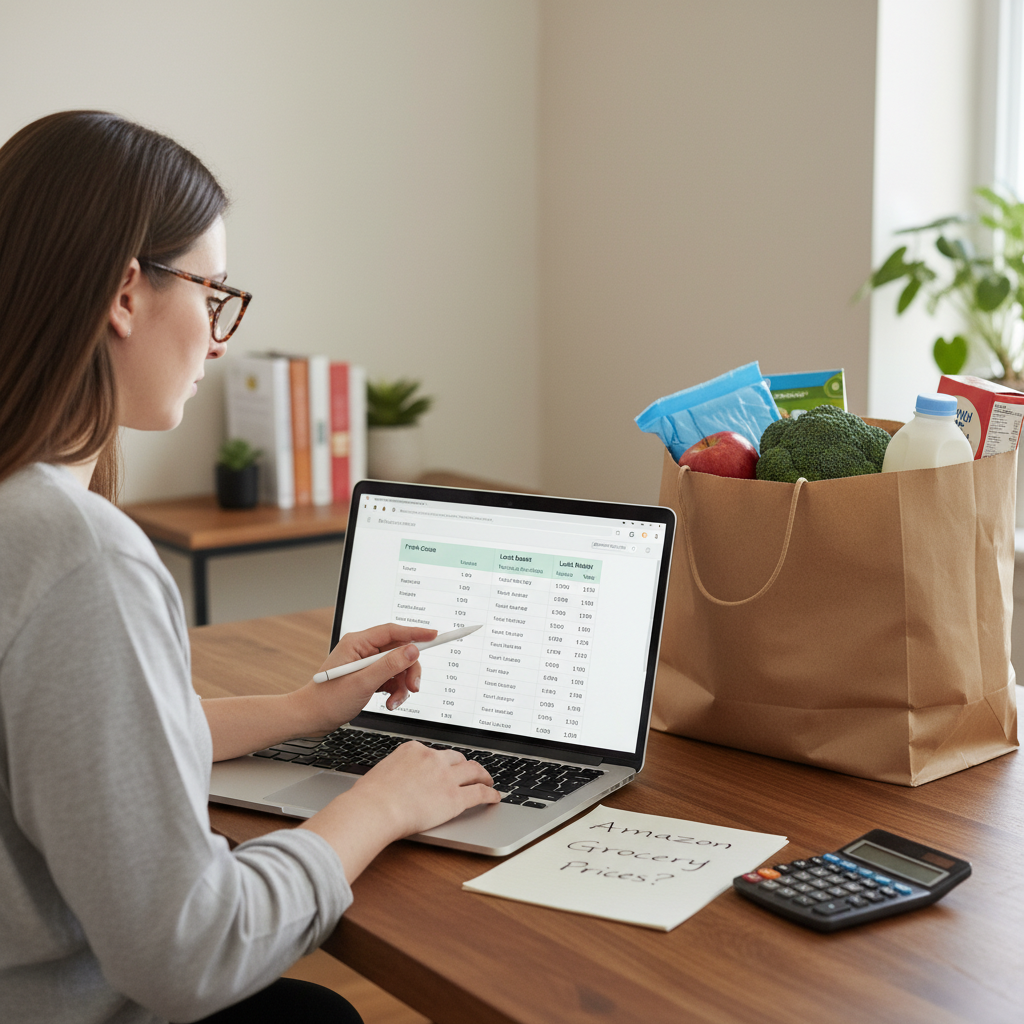
The question about Amazon grocery being cheaper is gaining more attention as consumers check out online routes for groceries. Amazon comprises a variety of grocery options, including Amazon Fresh plus its collaboration with Whole Foods. This piece looks into the pricing environment around these services, especially when stacked against conventional grocery stores.
Context of Amazon Grocery Services
Amazon has pushed its grocery products into the market aggressively these days, seeing a rise in online shopping demand, mostly since COVID-19 began. Included are Amazon Fresh, offered only in certain cities, and grocery buying through Whole Foods for those with Prime. The idea behind these services is to bring convenience to shoppers and to challenge traditional grocery outlets.
These services come with several pricing formats. Amazon Fresh, mainly a delivery service, prices differ depending on location and Prime membership. Whole Foods keeps a noticeably different pricing level, usually considered more upscale than regular grocery places.
Price Comparisons with Traditional Retailers
Must Read: Understanding Amazon Pharmacy: How It Simplifies Medication Access
Is Amazon Fresh Cheaper than Ralphs?
Looking at Amazon Fresh against stores like Ralphs, prices shift quite a bit due to promotions, product variety, and the local market. Some products may be reasonably priced, but others reflect the whole “premium” price tag associated with Whole Foods.
Analysts in retail mention Amazon Fresh might have lower prices on some basic goods, while Ralphs could beat them on produce and local products because of cheaper operations and direct supply links.
Is Amazon Grocery Good Value?
Value in Amazon grocery is not just about price comparisons. Variety, product quality, and shopping convenience count a lot in how pleased customers are. Amazon tries to cover a range of offerings, catering to tastes that lean toward organic and specialty goods.
Still, value means different things to different shoppers. For those who want ease and the chance to shop online, Amazon grocery might be valuable even if prices aren’t the lowest. Those watching their budgets carefully might prefer classic stores like Ralphs, especially when discounts are on.
Is Amazon Grocery Expensive?
When shoppers talk about Amazon grocery’s cost, opinions vary. Some report saving money on bulk buys or Prime-eligible items, but others worry the prices are on par or higher than local stores. Particularly on fresh fruits, veggies, and dairy, Amazon’s costs can look steep because of delivery and other online shopping expenses.
Practical Implications for Consumers
Deciding where to shop for groceries is affected by these price differences. Urban dwellers with Amazon Fresh access might find it a handy, all-around option. Meanwhile, folks living farther from cities might lean more toward traditional outlets out of necessity.
Another factor: delivery fees that fluctuate with minimum order sizes or membership levels change the final bill when choosing Amazon groceries. Knowing these fees is key for anyone making thoughtful shopping choices.
Additional Details
Where Amazon grocery can actually be used matters a lot. Although Amazon Fresh is spreading, it’s mostly in city areas so far. Whole Foods stores are more common, reaching a wider base.
The service terms, such as minimum buys and delivery limits, also exist to set clear customer expectations.
Closing Summary
In overview, whether Amazon grocery is cheaper is a tricky question shaped by what buyers want, how Amazon sets its prices, and the variety of options out there. Amazon’s place in this grocery space competes with traditional stores like Ralphs, where prices depend highly on specific situations and shopper priorities. What Amazon grocery currently represents is a fine balance between price and ease, showing why knowing pricing setups plus service features are essential.
Is Amazon Fresh Cheaper than Ralphs?
Is Amazon Fresh Cheaper than Ralphs?
Looking at Amazon Fresh against stores like Ralphs, prices shift quite a bit due to promotions, product variety, and the local market. Some products may be reasonably priced, but others reflect the whole “premium” price tag associated with Whole Foods.
Analysts in retail mention Amazon Fresh might have lower prices on some basic goods, while Ralphs could beat them on produce and local products because of cheaper operations and direct supply links.
Price Comparisons with Traditional Retailers
Explore More: Understanding AWS Cloud Services and Their Key Offerings